Dry skin
Not enough sebum is produced, an oily substance produced by your sebaceous glands.

While everyone is unique, skin can have certain characteristics that can usually be classified into 5 different types: dry, oily, combination, sensitive or normal.
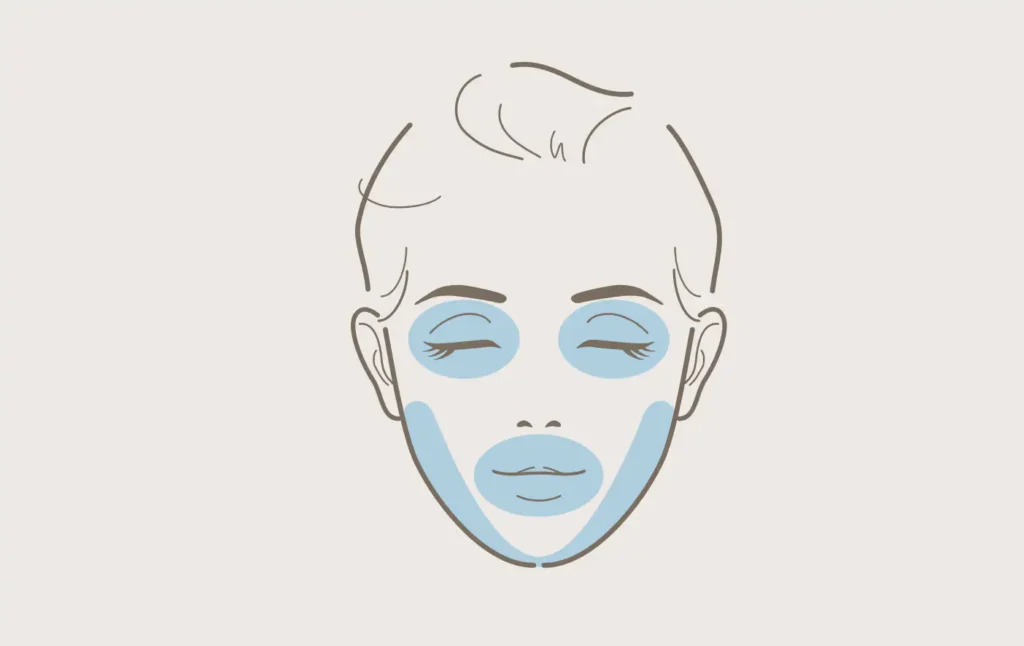
Not enough sebum is produced, an oily substance produced by your sebaceous glands.
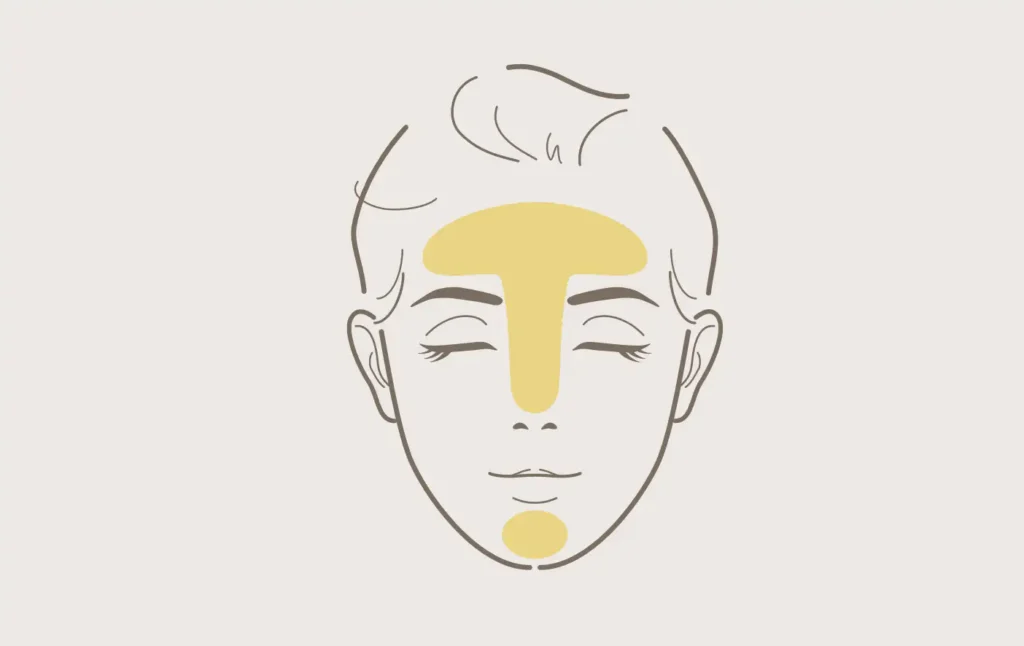
Produces excess sebum (oil), which can block pores and make skin appear shiny.
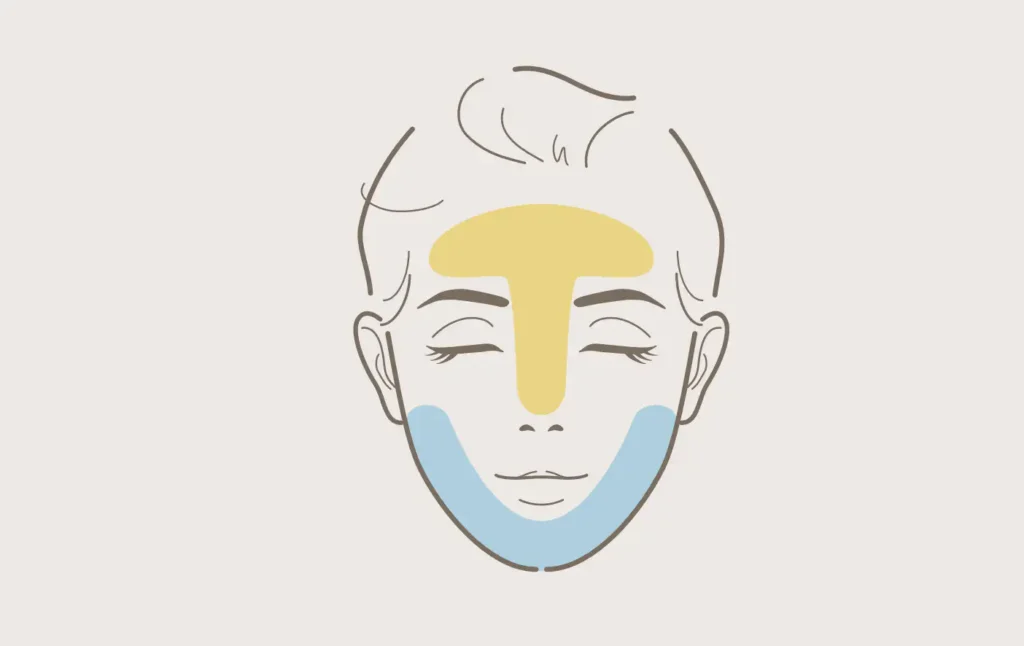
Specific areas of the skin are oilier than
others.
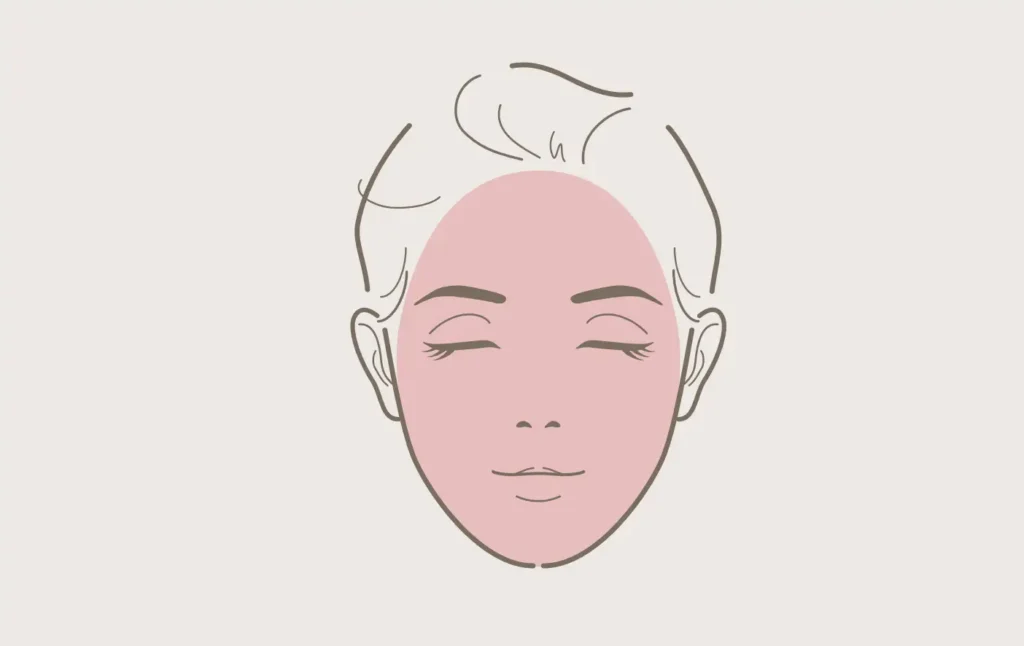
May also be dry, oily or combination and easily reacts to products and environmental factors.
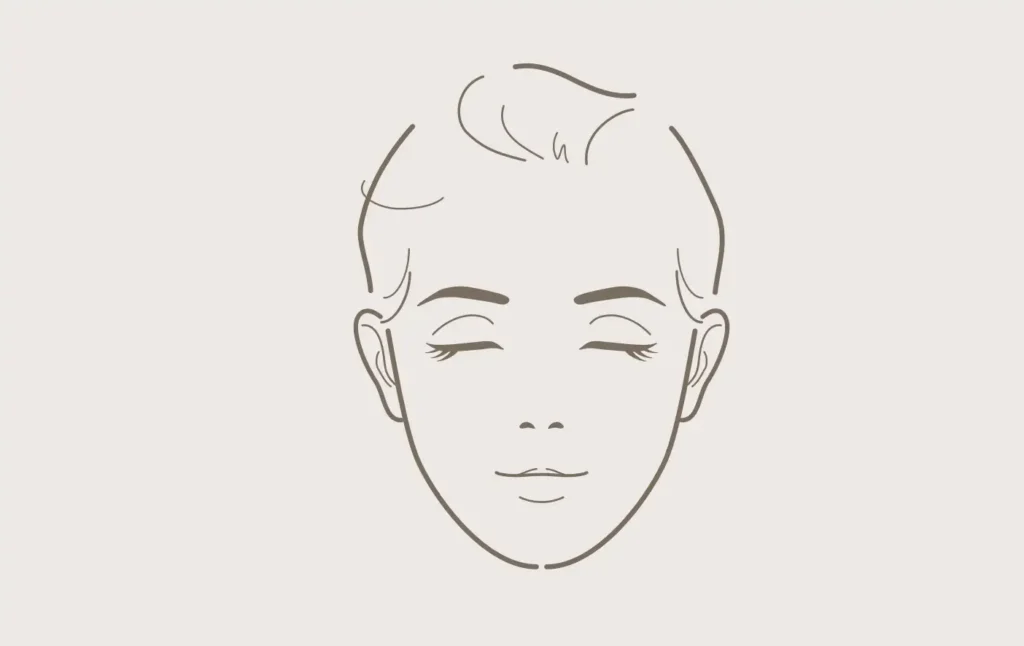
No skin sensitivies, dry or oily areas.
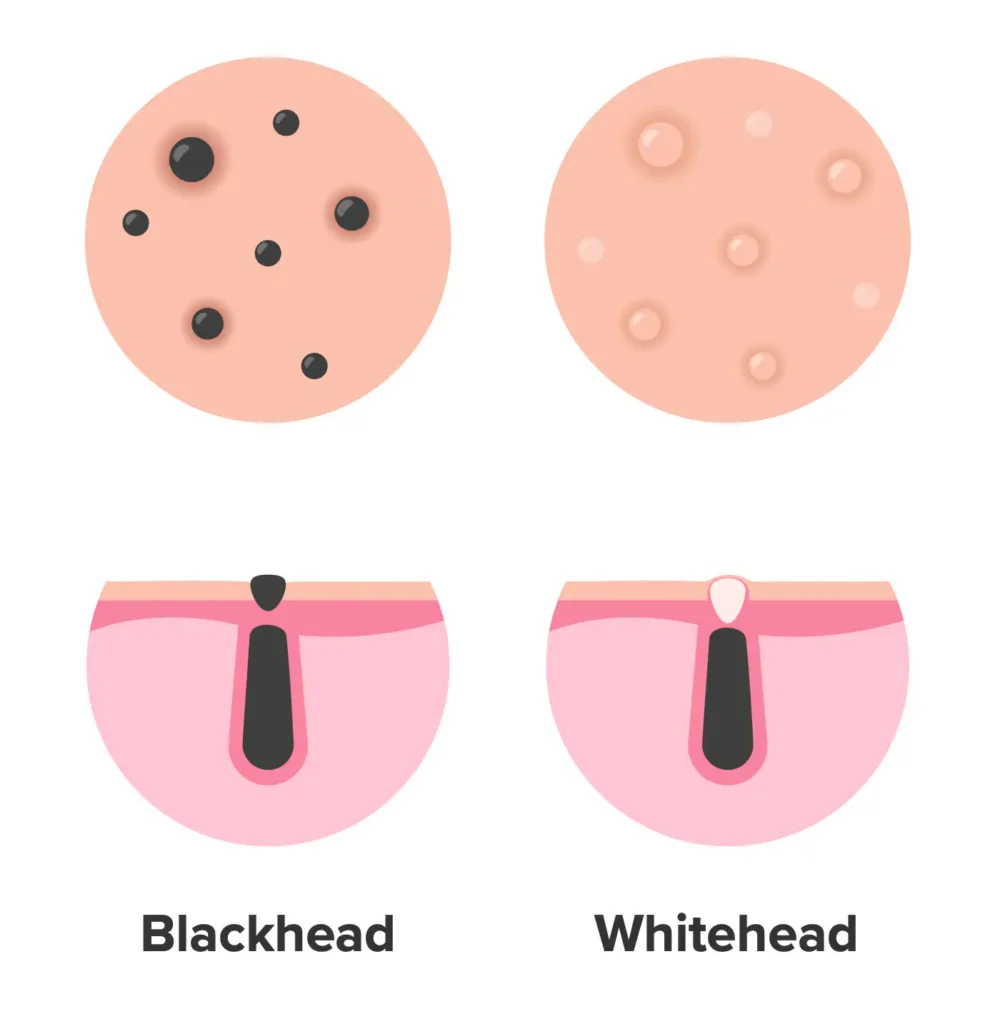
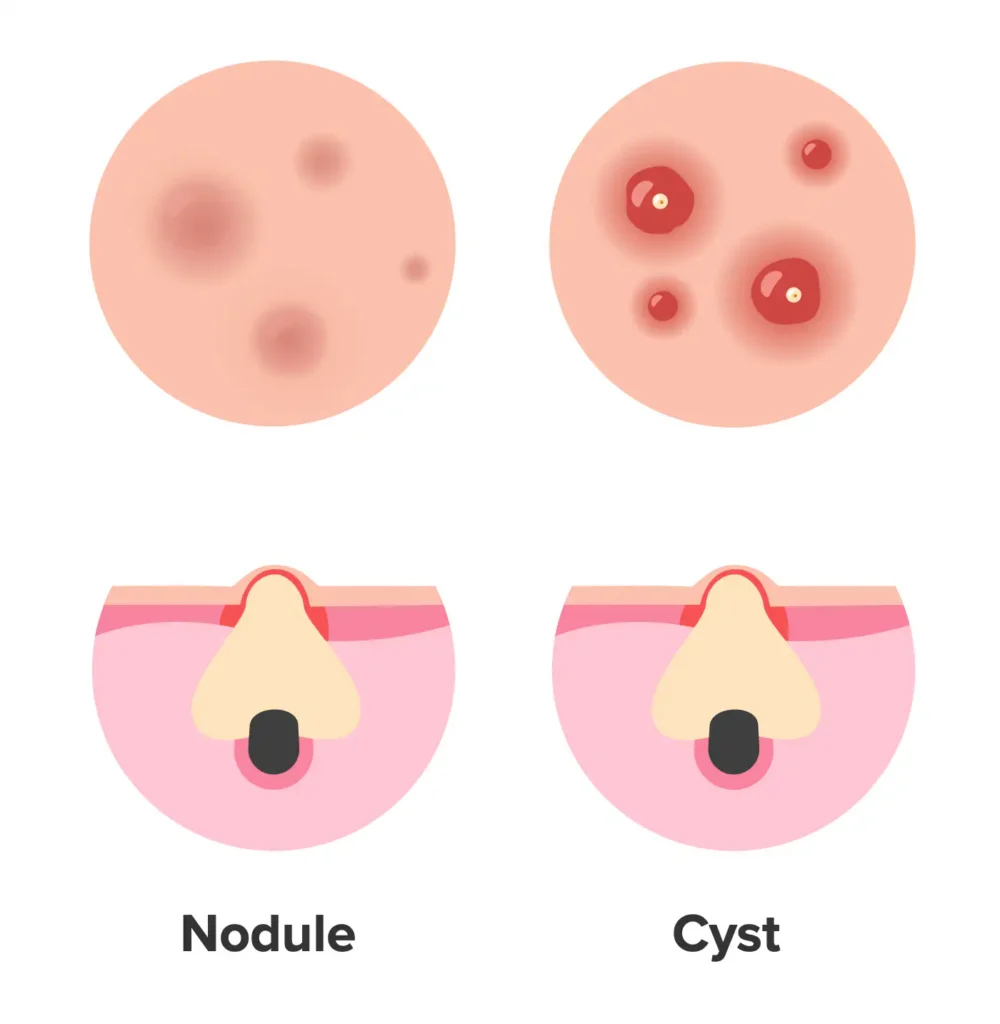
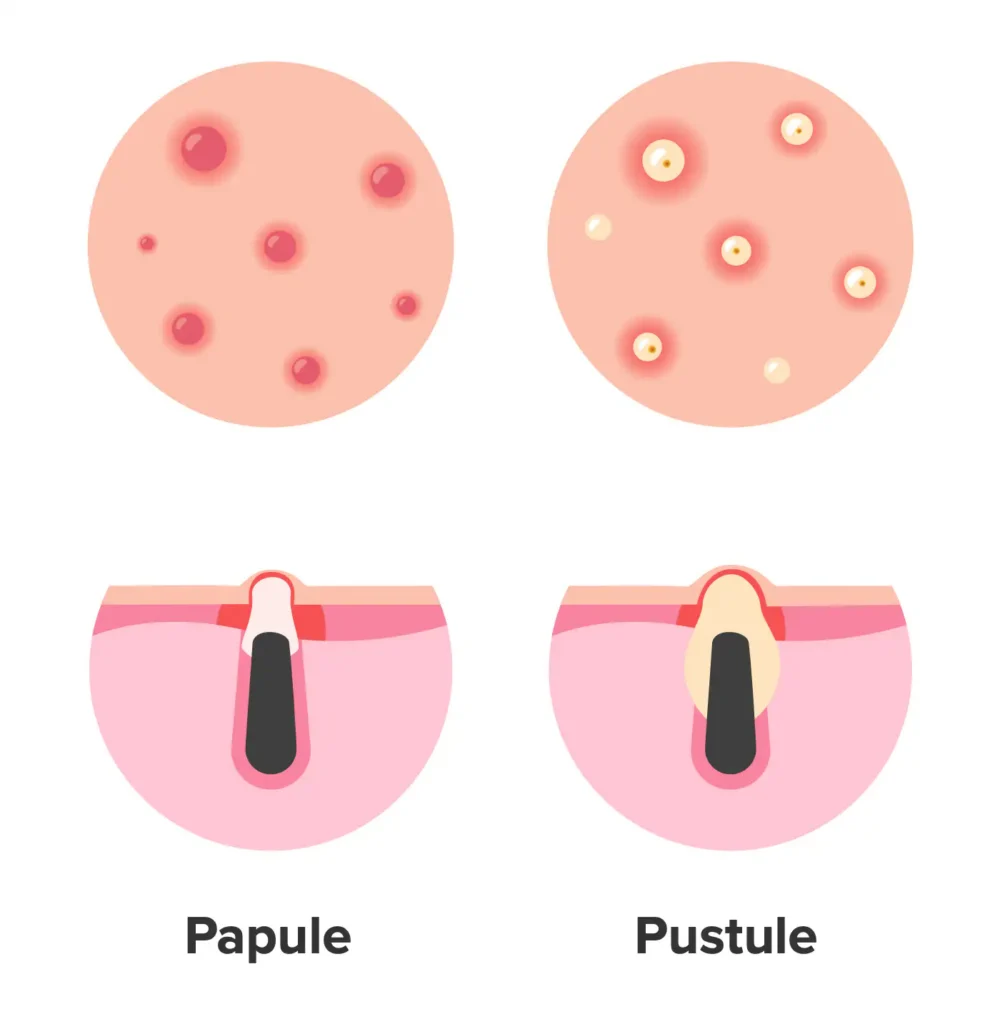
Acne can show up in different ways. Here are six common types:
ReTrieve for acne is a prescribed topical retinoid that helps treat mild-to-moderate acne.
It contains tretinoin, a prescription-only form of vitamin A.
Unclog pores
Releases trapped bacteria and irritants that contribute to acne.
Stimulate skin cell turnover
Helps shed dead skin cells faster and brings new cells to the surface.
Regulate sebum (oil) production
This can reduce future breakouts.
Reduce inflammation
Which is particularly helpful for active, red acne lesions.
Yes, ReTrieve can be prescribed by a GP to treat mild-to-moderate acne and is fully funded.
ReTrieve is the gold standard topical treatment for dry, sun-damaged skin. It restores skin and improves signs of acne or sundamage from 4 months. Including fine lines and wrinkles, hyperpigmentation and skin texture.
Because it is a strong formula, some people may experience mild irritation when first starting. To minimise this, ReTrieve cream should be introduced gradually as directed by your GP or Dermatologist. Always use as directed and seek medical advice if you experience any unexpected symptoms.
Both Dermatologists and GPs are highly trained and can diagnose and manage key skin concerns. In certain circumstances however, the specialist skills of a Dermatologist may be required. They can provide further diagnostic tests or specific treatments.